
>
Baked, Fish and seafood, Meat products, Savory
>

ARTISALT

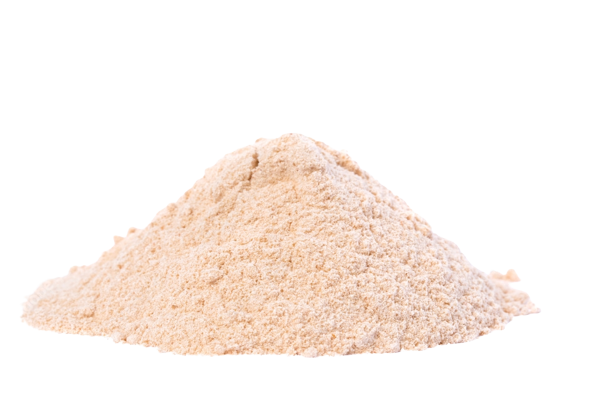
A mound of a light beige, fine-textured powdered food ingredient against a transparent background.

The ARTISALT range has been developed to offer solutions that significantly reduce the sodium content in food without compromising the safety, texture or flavour of the final product. With excessive salt consumption linked to high blood pressure and other cardiovascular diseases, and organisations such as the WHO recommending that daily intake be limited, the food industry needs alternatives that maintain the functional properties of common salt whilst offering a healthier profile. ARTISALT meets this need through carefully formulated combinations of alternative salts and yeast extracts that replicate the behaviour of sodium chloride in food, making it possible to reduce its presence without affecting product quality.

Salt plays an essential role in meat products and numerous other foods: it adds flavour, stabilises the microbiological profile, solubilises proteins, retains water and contributes to the final texture. Replacing it is no easy task, as any change can alter the product’s structure, its juiciness or even its safety. The ARTISALT range has been specifically formulated to maintain these functional properties, avoiding the bitter or metallic flavours that often occur with other alternative salts and ensuring a pleasant and balanced sensory experience.

Advantages

  • Sodium reduction without compromising functionality: it allows for the replacement of between 50 per cent and 75 per cent of common salt whilst maintaining the essential technological functions of sodium chloride.
  • A clean, balanced flavour: it delivers the characteristic taste of salt without any of the bitter, metallic or unpleasant notes commonly found in other salt alternatives.
  • Microbiological stabilisation: helps to reduce water activity and slow down microbial growth, thereby improving the product’s shelf life.
  • Greater water-retention capacity: it binds large quantities of water within the tissues, preventing loss during processing and improving the juiciness of the final product.
  • Solubilisation of muscle proteins: promotes the extraction and relaxation of myofibrillar proteins, which are essential for texture and gel formation in meat products.
  • Compatibility with the “salting in” and “salting out” phenomena: it improves protein solubility at low concentrations and promotes the release of aromatic compounds at high concentrations.
  • Controlled pro-oxidative behaviour: maintains the necessary level of oxidation in cured raw products, contributing to the development of their characteristic aroma